How Nyerere National Park began
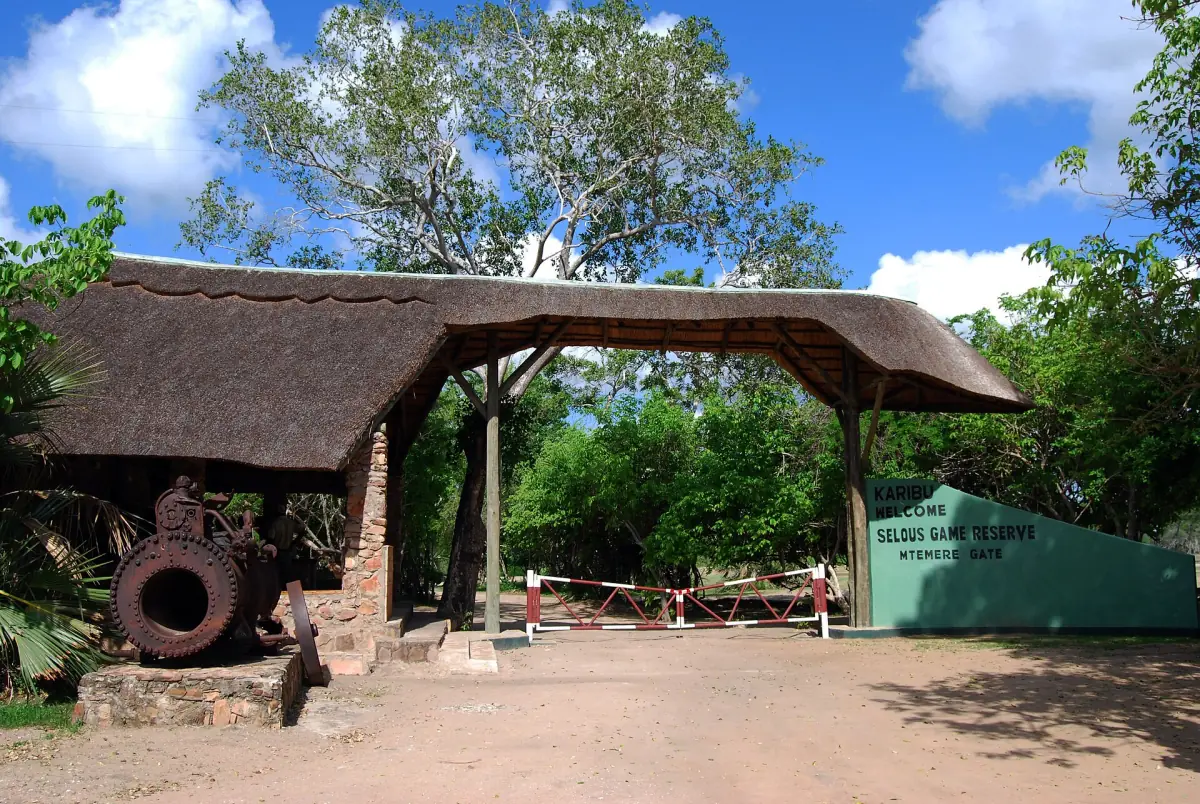
Nyerere National Park is young. It was established in 2019, when the northern sector of the Selous Game Reserve became a national park under the park authority TANAPA. The founding is recorded as Government Notice 923, and the park covers 30,893 km². The reserve in the south kept its older status.
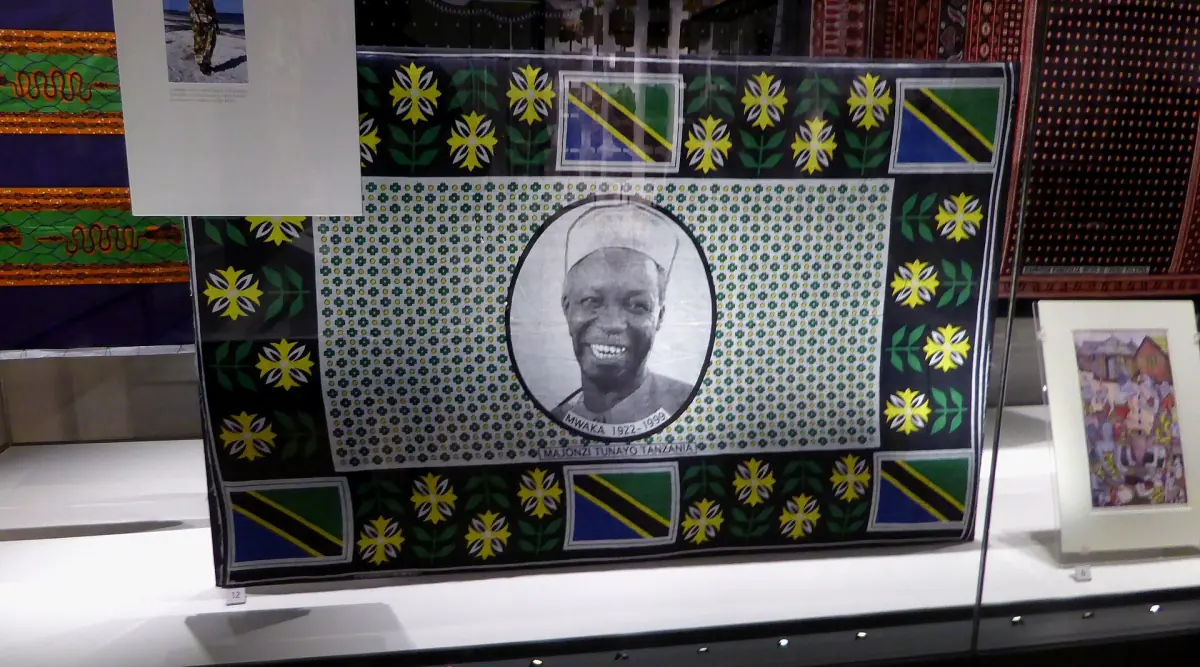
The park is named after Julius Nyerere, the first president of Tanzania. The name honours him and his commitment to nature conservation. If you want to see the park today, start with the Nyerere safari page.
Our pick: a safari in the former Selous
Nyerere National Park was part of the Selous until 2019. This trip visits it with the park fees included.
Hand-picked tours, booked through GetYourGuide. Prices are indicative starting prices in US dollars (as of October 2026). Tap a tour for live availability and the current price in your currency.
Nyerere tours and safaris
Guided safaris, boat trips and fly-in tours to Nyerere National Park with live prices and availability.
The Selous split in 2019
What changed and what stayed.
A national park from part of a reserve
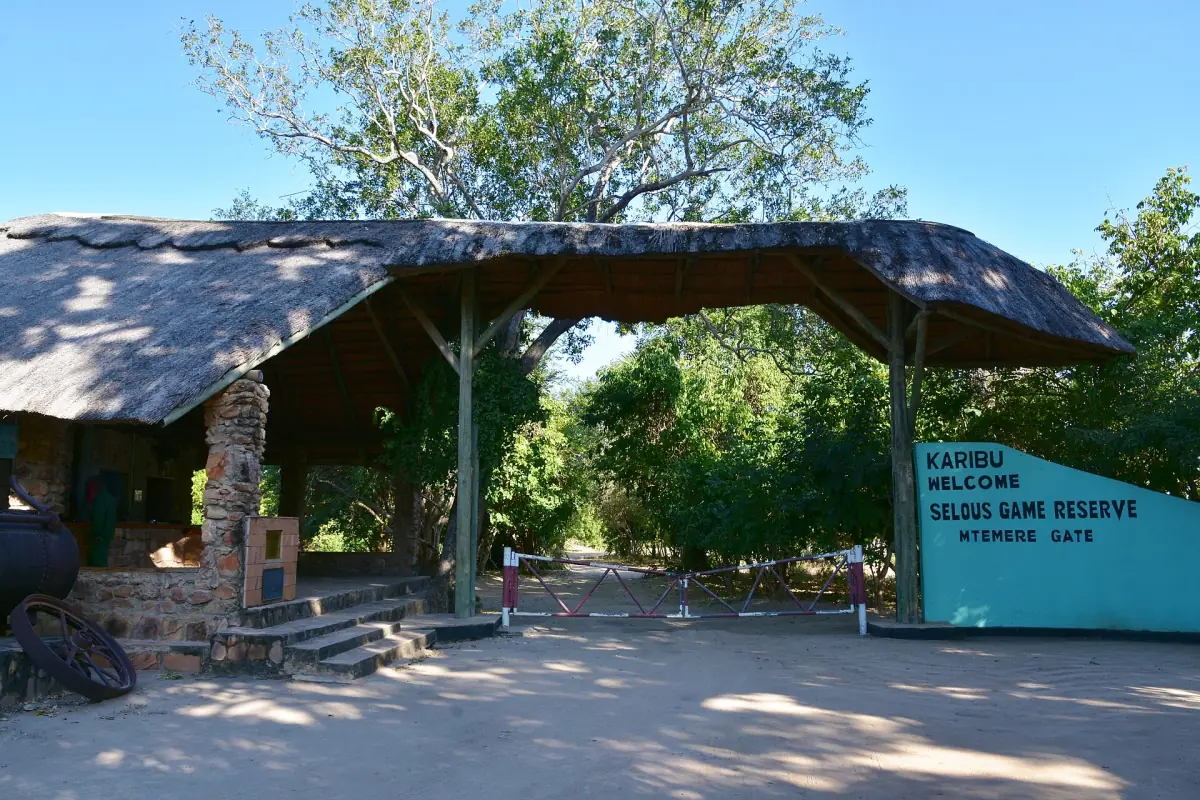
Before 2019, the area was part of the Selous Game Reserve. In 2019 the northern sector became a national park with a different regime and a new name. Tour offers still often say "Selous" for the same area, so do not be surprised by the old name in a booking.
The reserve and the World Heritage listing
The World Heritage site is still called the Selous Game Reserve, and it was inscribed in 1982 with a listed area of 5,120,000 ha. That listed area is not the area of the national park. After a decision in 2026, the site remains on the list of World Heritage in Danger.
Why the park was created
Tourism and economic development were the stated aim of the new parks.
How it was used before
Photographic tourism once concentrated on about 750 km² between Matambwe and Mtemere, and other parts of the area served hunting. That describes an earlier stage, not the land open to visitors today.
The wider story of the reserve, its namesake and the World Heritage site belongs to the history of the Selous Game Reserve.
Julius Nyerere
Julius Kambarage Nyerere was born on 13 April 1922 and died on 14 October 1999. He was president of Tanganyika from 1962 to 1964 and of the United Republic of Tanzania from 1964 to 1985. That makes him the first president of Tanzania.
The park carries his name as an honour, and the name also appears on the dam at Stiegler's Gorge, the Julius Nyerere Hydropower Station. We keep this page to the facts of the name and leave the politics of his years in office to other books. For the dam, see the Julius Nyerere Hydropower Station page.
Timeline
The dates in one place.
| Year | Event |
|---|---|
| 1922 | Julius Nyerere is born on 13 April |
| 1962 to 1964 | President of Tanganyika |
| 1964 to 1985 | President of the United Republic of Tanzania |
| 1982 | The Selous Game Reserve is inscribed as World Heritage |
| 1999 | Julius Nyerere dies on 14 October |
| 2019 | The northern Selous becomes Nyerere National Park (Government Notice 923) |
| 2019 | Construction of the hydropower station begins on 15 June |
| 2025 | All nine turbines of the station are active from April |
| 2026 | Opening ceremony of the station on 22 August |
For most readers, the short version is enough: a park of 2019, named for the first president and cut out of the northern Selous. If you plan a visit, the details that matter more are the fees, the seasons and the routes.
Where the history meets your visit
Pages to read next.
Nyerere National Park history: frequently asked questions
When was Nyerere National Park established?
In 2019, from the northern sector of the Selous Game Reserve. The Government Notice number is 923.
Who is Nyerere National Park named after?
After Julius Nyerere, the first president of Tanzania. He was president of Tanganyika from 1962 to 1964 and of Tanzania from 1964 to 1985.
Is Nyerere the same as the Selous?
No. Nyerere is the national park formed in 2019 from the northern part of the Selous. The Selous Game Reserve and the World Heritage site with its name are separate. Many offers still use the old name.
How big is the park?
The park covers 30,893 km². The World Heritage figure of 5,120,000 ha belongs to the listed Selous site and is not the area of the park.
Is Nyerere the largest national park in Tanzania?
Yes, by area. At 30,893 km² it is the largest national park in the country.
Is the Selous still a World Heritage Site in Danger?
Yes. After the 2026 session the Selous Game Reserve remains on the List of World Heritage in Danger. The status has not been withdrawn.