Animals in Nyerere National Park
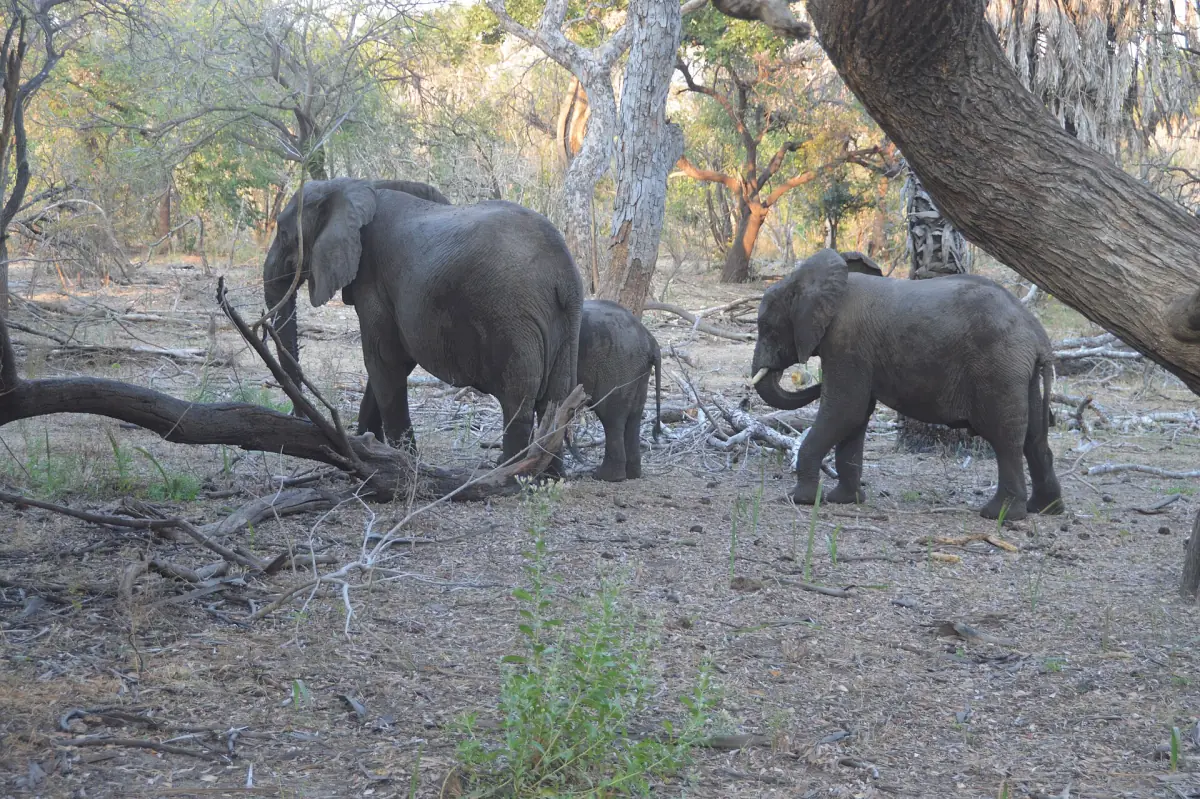
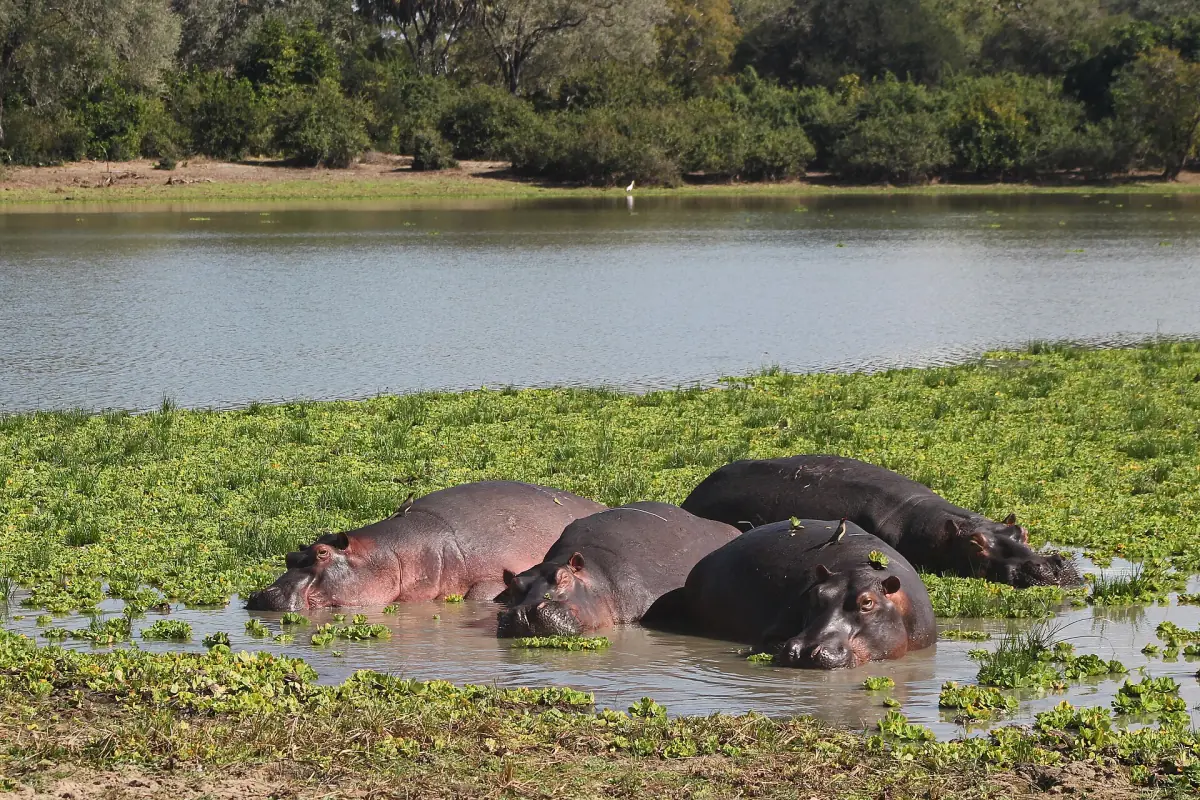
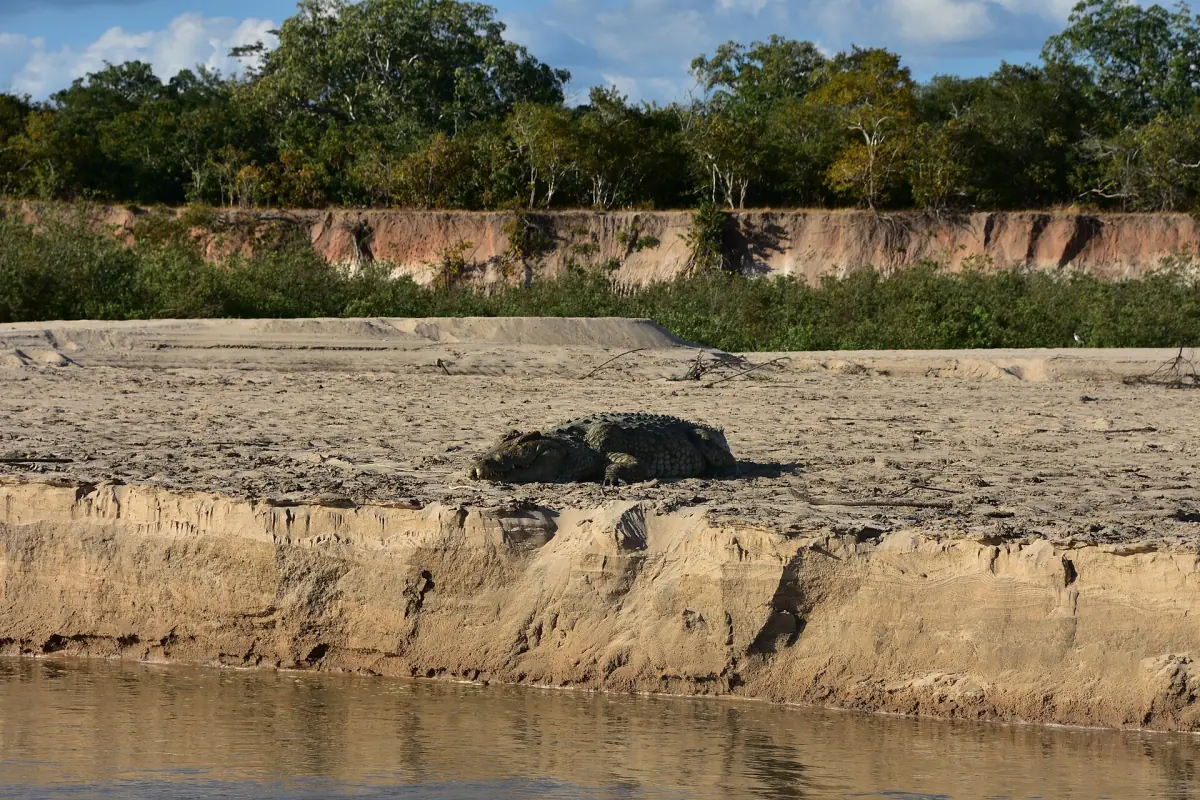
Elephants, lions, leopards, hippos and crocodiles live in the park, along with buffalo, giraffes, sable antelope, Lichtenstein's hartebeest, waterbuck and impala. The landscape mixes miombo woodland, river floodplains, open plains and the channels and lakes of the Rufiji, so the animals you meet change with the terrain.
That tells you what lives here, not how many or where you will find them on a given day. To cover the land and the water, combine game drives in Nyerere with a boat safari on the Rufiji.
Nyerere National Park animals and where to look
Groups of animals and the usual way to find them.
| Group | Animals | How you usually look |
|---|---|---|
| Big cats | Lions, leopards | Game drive |
| Large grazers | Elephants, buffalo | Game drive |
| Giraffes and antelope | Giraffes, sable antelope, Lichtenstein's hartebeest, waterbuck, impala | Game drive |
| Water | Hippos, crocodiles, water birds | Boat safari on the Rufiji and its lakes |
For most visitors, a mix of game drives and at least one boat trip covers every group in the table. Wild dogs have their own page, see African wild dogs in Nyerere.
Our pick: a day of game viewing
A full day in the park from Dar es Salaam for elephants, giraffes, lions and more.
Hand-picked tours, booked through GetYourGuide. Prices are indicative starting prices in US dollars (as of October 2026). Tap a tour for live availability and the current price in your currency.
Nyerere safaris and boat trips
Game drives, boat trips and fly-in safaris to Nyerere National Park, with live prices and availability.
Elephants, giraffes and the big mammals
What is known and what is not.
Elephants
The 2022 aerial survey, led by the Tanzania Wildlife Research Institute, counted 20,006 elephants (± 1,793) in the Nyerere-Selous-Mikumi ecosystem. In 2013 the count was 13,084 (± 1,816). These are figures for the whole ecosystem, not for the national park alone. The count shows a moderate recovery after the earlier poaching crisis, and continued protection is needed. More on elephants in the Selous.
Giraffes
Giraffes live in the park. Ask your guide where they were seen most recently.
Lions and leopards
Both live in the park. Treat any sighting as a bonus, because neither can be promised on a given drive.
Antelope
Sable antelope, Lichtenstein's hartebeest, waterbuck and impala all live in the park. Ask your guide which species were seen recently.
Birds, hippos and crocodiles
The river and lakes.
Birds
Hundreds of bird species have been recorded in the park. Bring binoculars and ask your guide to stop for the smaller birds.
Hippos
Hippos live in the river and lakes. A boat safari is the usual way to see them, with a ranger or guide in charge.
Crocodiles
Crocodiles live in the same waters. Do not swim or wade, and keep your arms and legs inside the boat. Life jackets are required on the water.
Watching animals responsibly
Rules that apply on every drive.
Stay on the track
Drive only on permitted tracks, follow the speed limits and the instructions of your guide or ranger.
Never feed animals
Feeding is banned. It changes behaviour and puts people at risk.
Drones
Drones need a special permit. Do not bring one without it.
Three ways to see the animals
Pick the format that fits the animals you want.
Game drive
A drive in a vehicle on permitted tracks is the standard way to look for elephants, giraffes, antelope and big cats. See the safari page for how a drive works.
Boat safari
Boats on the Rufiji and its lakes are the way to watch hippos, crocodiles and water birds. The park fee for the activity is $20 for non-East African visitors (2023/24 tariff). Read the boat safari guide.
Walking safari
On foot you go with a ranger, after booking ahead and getting a permit. See the walking safari page.
Seasons and sightings
How the year changes your trip.
Dry months
The dry season runs from about June to October, and it can stretch to around November. Dry months are the usual choice for a safari.
Rains
Short rains can fall in November and December, and the long rains run from mid-March to May. Some camps close in the long rains, so check before you plan. Roads and the river level need a check too.
Planning
The weather page shows the monthly figures for the coast and explains how to read them. No season can promise a particular animal.
More about Nyerere
Where to go next.
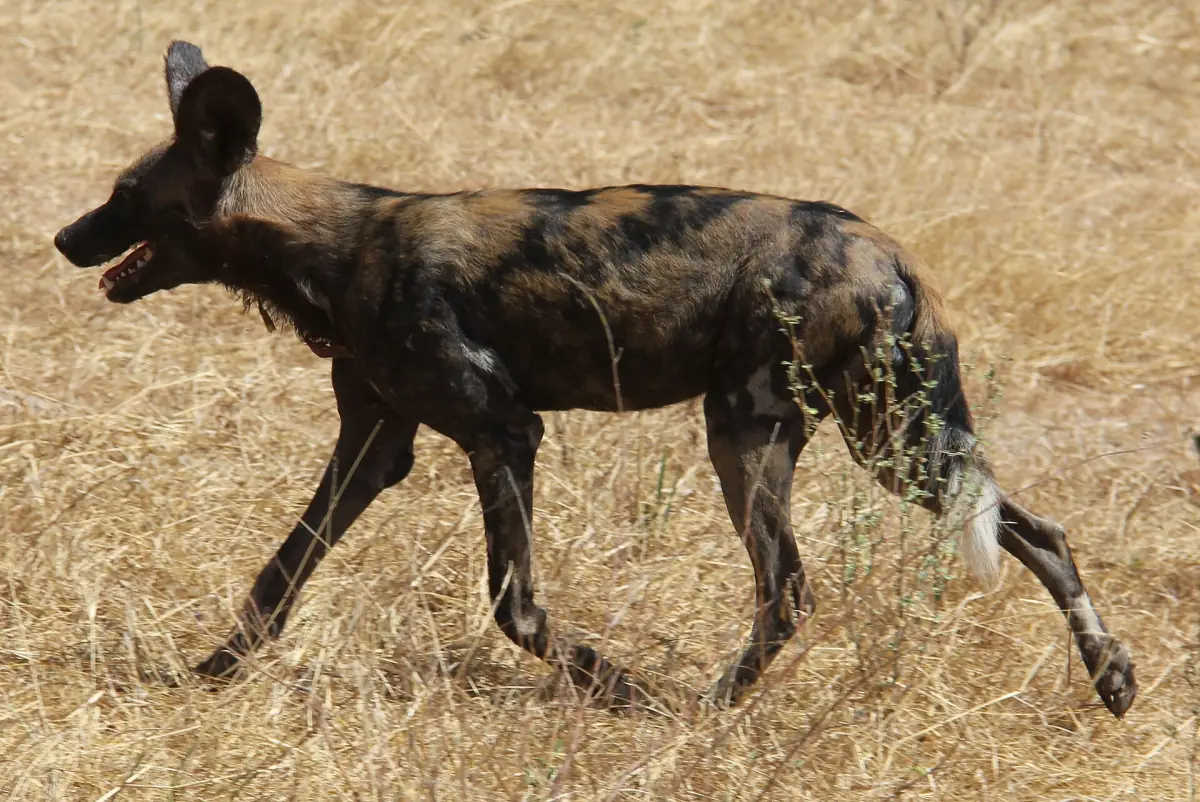
African wild dogs
Packs, numbers and how to look for them.
The Rufiji River and its lakes
Channels, lakes and the water life.
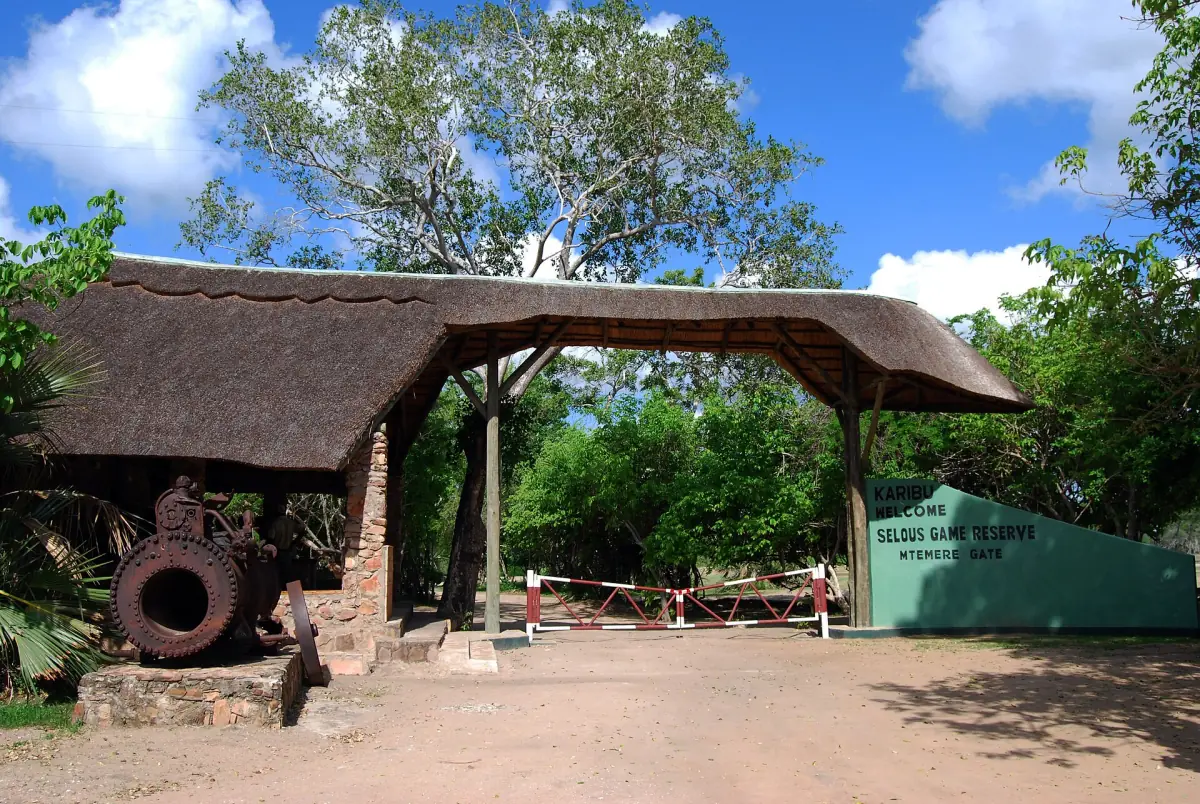
Park fees
Daily fees and how to pay.
Looking at another park? Compare with the animals of the Serengeti.
Nyerere National Park animals: frequently asked questions
Which animals live in Nyerere National Park?
Elephants, lions, leopards, hippos and crocodiles live in the park, plus buffalo, giraffes, sable antelope, Lichtenstein's hartebeest, waterbuck and impala. Wild dogs are also present in this landscape.
Are the Big Five guaranteed?
No. Elephants, lions, leopards and buffalo all live in the park, but seeing any one of them depends on the day. No tour can promise a sighting.
How many elephants are there?
The 2022 aerial survey counted 20,006 elephants in the wider Nyerere-Selous-Mikumi ecosystem. There is no separate figure for the national park.
Can I see hippos and crocodiles?
Both live in the Rufiji and its lakes, and a boat safari is the usual way to see them. Good chances do not mean a guarantee.
Are there many birds?
Yes, hundreds of species have been recorded. Bring binoculars.
Do camps close in the rainy season?
Some do. Some camps close from mid-March to May, but that is not a rule for the whole park. Ask your camp or operator.