How a Nyerere safari works
Nyerere National Park offers three ways to see wildlife: the game drive in a vehicle on the park tracks, the boat safari on the Rufiji and its lakes, and the walking safari with an armed ranger. Many visitors combine at least two of them during a stay. The park is large and the tracks are long, so most safari programs are built around a camp, with drives in the morning and late afternoon.
A safari price is more than the vehicle. The park charges an entry fee per person and day, a fee for the vehicle and, for overnight stays, camping or concession fees. Operators add the guide, fuel, food and their own margin. Ask which of these are in the price before you compare offers.
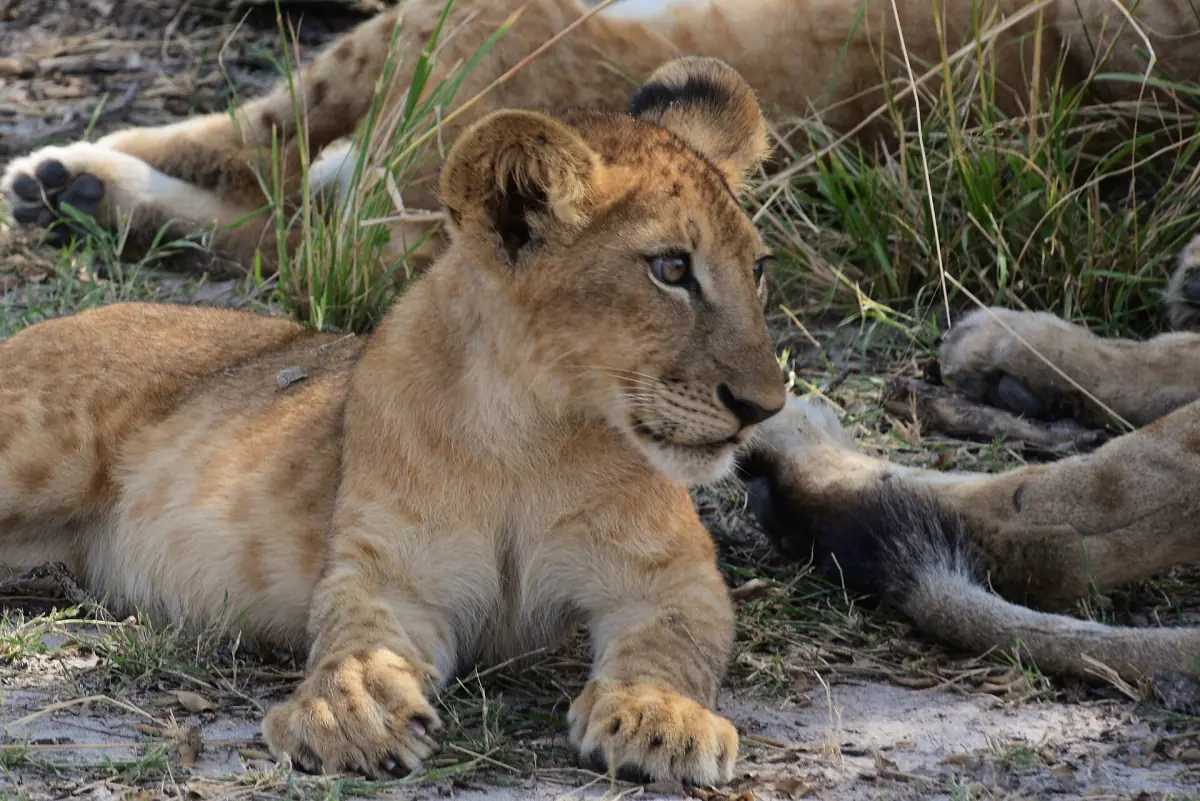
Our picks: Nyerere safaris
A camping trip, a long day trip by road and a three-day safari with a short walk.
Hand-picked tours, booked through GetYourGuide. Prices are indicative starting prices in US dollars (as of October 2026). Tap a tour for live availability and the current price in your currency.
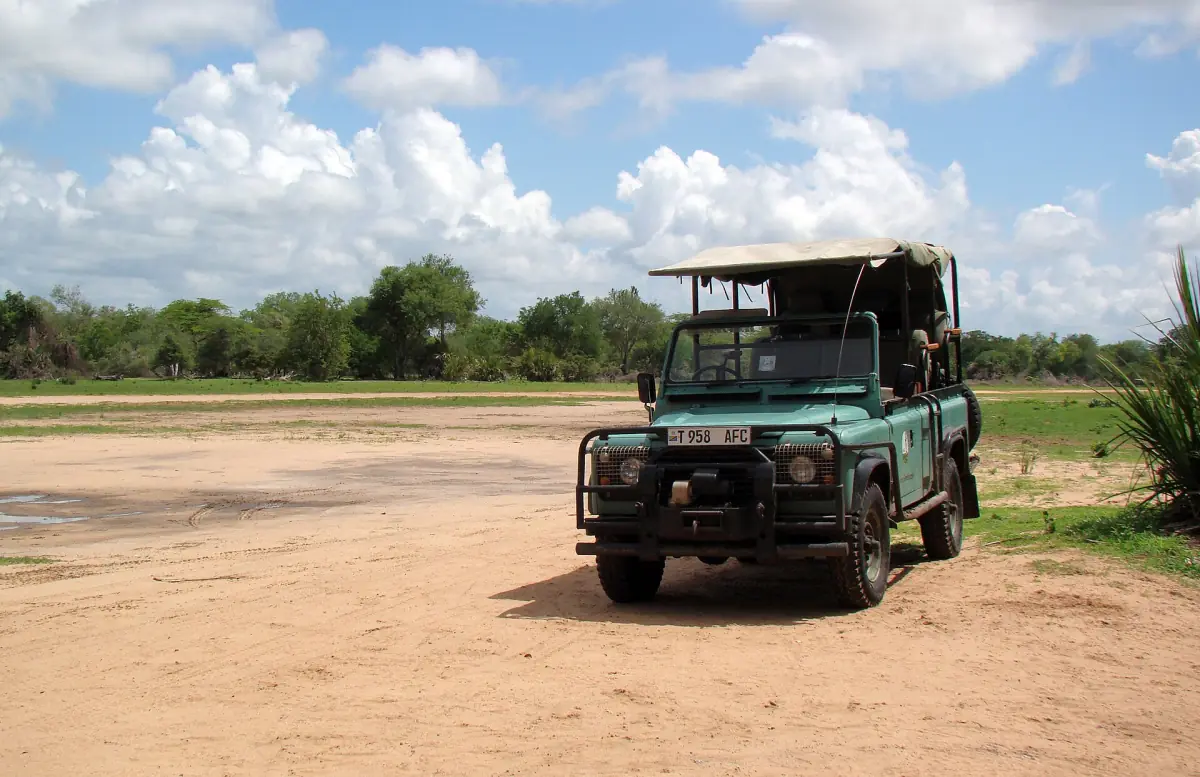
2-day camping safari in Nyerere National Park
- Park and camping fees
- Tent provided
- Return 4x4 from Dar
One night in a tent, meals as per the itinerary and game drives with a guide. The itinerary has no boat safari.
Check availability →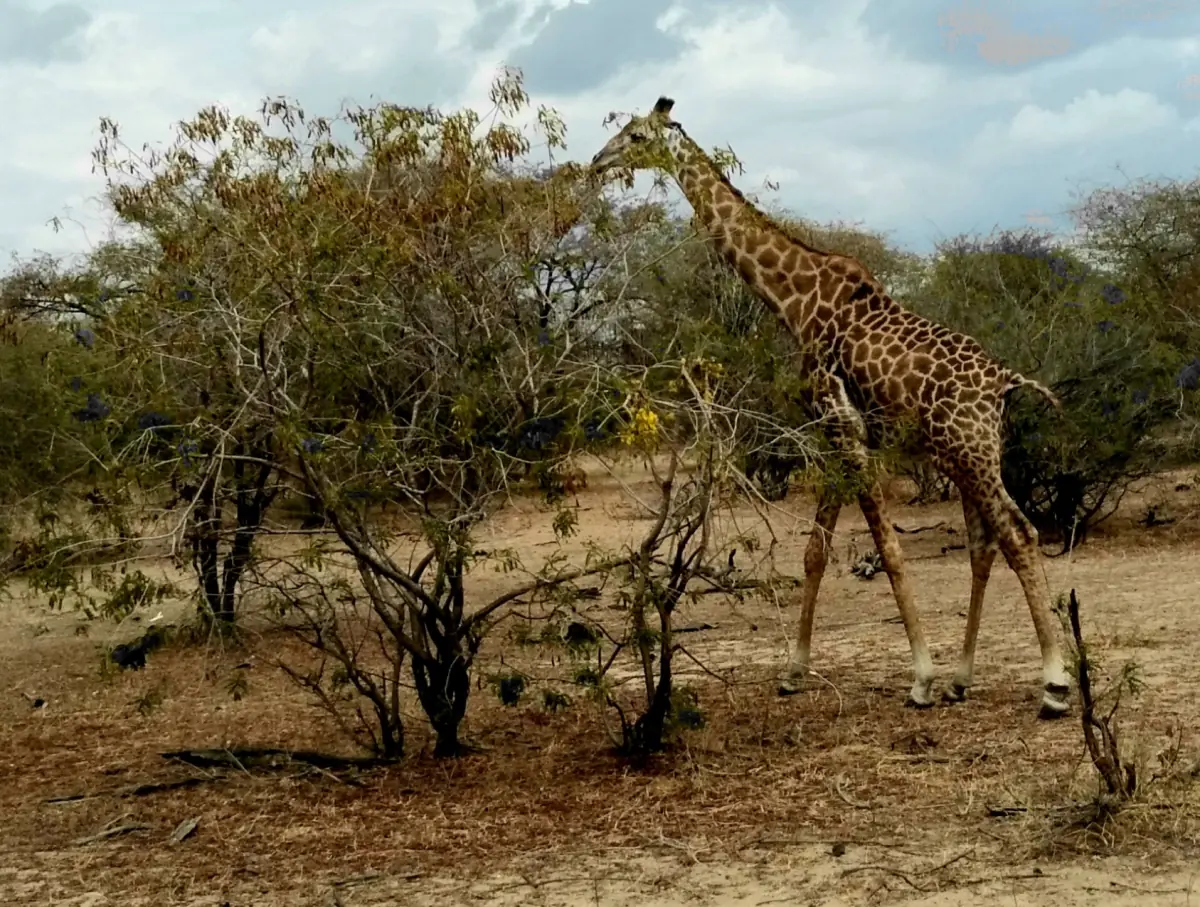
3-day safari with boat, game drive and a short bush walk
- Park entry included
- About 1 hour walking safari
- Two nights, meals
Day 1 is a boat safari, day 2 a full-day game drive and day 3 a walking safari of about an hour. Flights are extra.
Check availability →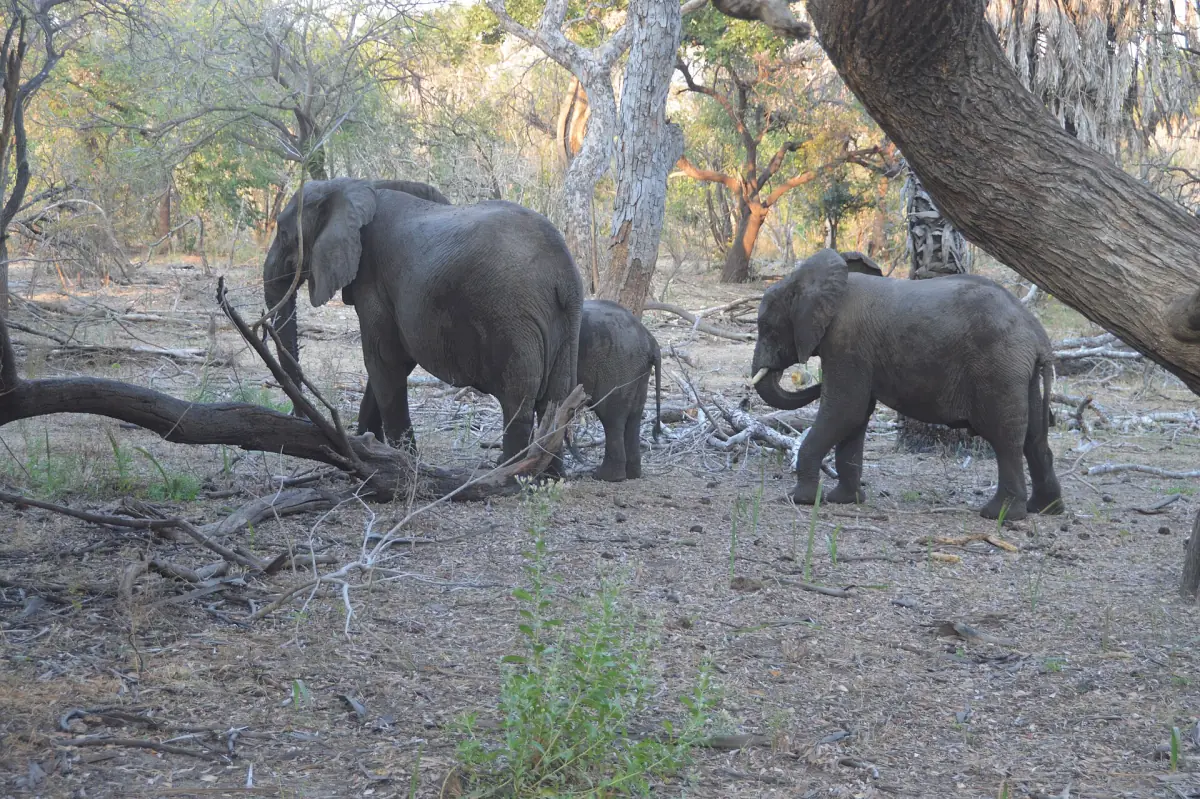
Day trip by car from Dar es Salaam
- Return transfer from Dar
- Park entry
- Lunch and water
One day with an English-speaking driver-guide and a game drive in the park, leaving around 06:00 and back in Dar around 20:00. A long day by road, with no overnight stay.
Check availability →Nyerere safari tours
Game drives, boat safaris and multi-day trips into the park, with live prices and availability.
Game drives, boat trips and walks
What each format involves.
Game drive
You drive in a safari vehicle on the open tracks. Elephants, lions, leopards, buffalo, giraffes, sable antelope, Lichtenstein's hartebeest, waterbuck and impala all live in the park, and there are good chances of seeing several of them on a few drives. Hippos and crocodiles are most likely along the water. There is no fixed length for a drive, and sightings are never guaranteed.
Boat safari
Boats run on the Rufiji and on its lakes and channels. You are close to hippos, crocodiles and waterbirds, and you see the riverbanks from a different angle. Read the details on the boat safari page.
Boat safari →Walking safari
Walks are led by rangers and need to be booked in advance with a permit. Ask the operator how long the walk is and who comes with you. Read the rules on the walking safari page.
Walking safari →What the park fees add up to
Per person and day, 2023/24 tariff. Check the current amount before you book.
| Visitor category | Adult, main season | Adult, low season | Child 5 to 15 |
|---|---|---|---|
| Non-East African visitors | $70 | $60 | $20 |
| Expats and Tanzanian residents | $35 | $30 | $10 |
| East African citizens | TZS 10,000 | TZS 10,000 | TZS 2,000 |
The main season runs from 16 May to 14 March and the low season from 15 March to 15 May. Adults start at 16, and children under 5 enter free. A vehicle fee comes on top, by weight: under the 2022/23 tariff, foreign-registered vehicles up to 2,000 kg paid $40, with more for heavier ones and a 50 percent surcharge for open vehicles. Your entry covers 24 hours from the moment you enter the park.
For most visitors on a booked safari, the operator pays the park and quotes it inside the price. Ask whether fees and 18 percent VAT are included, and do not add this table to a quote that already contains them. The park fees page explains payment by card, mobile money and bank transfer.
Southern Tanzania safari: where Nyerere fits
One park among several in the south.
A southern Tanzania safari points to parks such as Nyerere and Ruaha rather than the northern circuit around Arusha. Nyerere is the one with the river and the boats. For another park in the south, see the southern circuit guide. The old Selous name still appears on many offers; the reserve that remains south of the park is covered in the Selous safari guide.
If you start in Dar es Salaam, look at tours from Dar es Salaam. If you start in Zanzibar, see safari from Zanzibar.
Rules in the park
The basics every safari follows.
Stay on the tracks
Vehicles stay on the open tracks and keep to the posted speed limits. Follow your guide's instructions on where to stop.
Never feed animals
Feeding wildlife is not allowed. Follow the instructions of the guide and the rangers at all times.
Drones
Flying a drone needs a special permit. Do not bring one in expecting to use it without arranging this first.
Night drives
Do not plan around a night drive. Ask your operator whether one is possible at all.
The dry season, roughly June to October, is the more comfortable time to travel. The long rains run from mid-March to May and some camps close then. See weather and best time before you fix dates.
Nyerere safari: frequently asked questions
How much does a Nyerere safari cost?
There is no single price. A safari adds the park entry fee per person and day ($70 for non-East African adults in the main season under the 2023/24 tariff), a vehicle fee, camp costs and the operator's own charges. Compare offers by asking what is included, not by the headline number.
How many days do I need?
That depends on how you arrive and what you want to do. A flight from Dar es Salaam can land in the morning and leave around midday, which suits a short visit. A stay of several days leaves room for a game drive, a boat safari and a walk. Ask the operator how many hours in the park your plan includes.
Can I self-drive in Nyerere?
The park recommends a 4x4, especially in the rain. Check with the park before you plan to drive yourself, and look at the river level and the condition of the roads first.
Will I see wild dogs?
African wild dogs live in the park and in the wider landscape around it, so there are chances. Sightings cannot be promised. See the wild dog page for what is known about the animals.
Where do I pay the park fees?
On a booked safari the operator usually pays them for you. If you pay yourself, the park accepts Visa and Mastercard at the gate, mobile money, online reservation and GePG payments, and operators can pay by bank transfer.