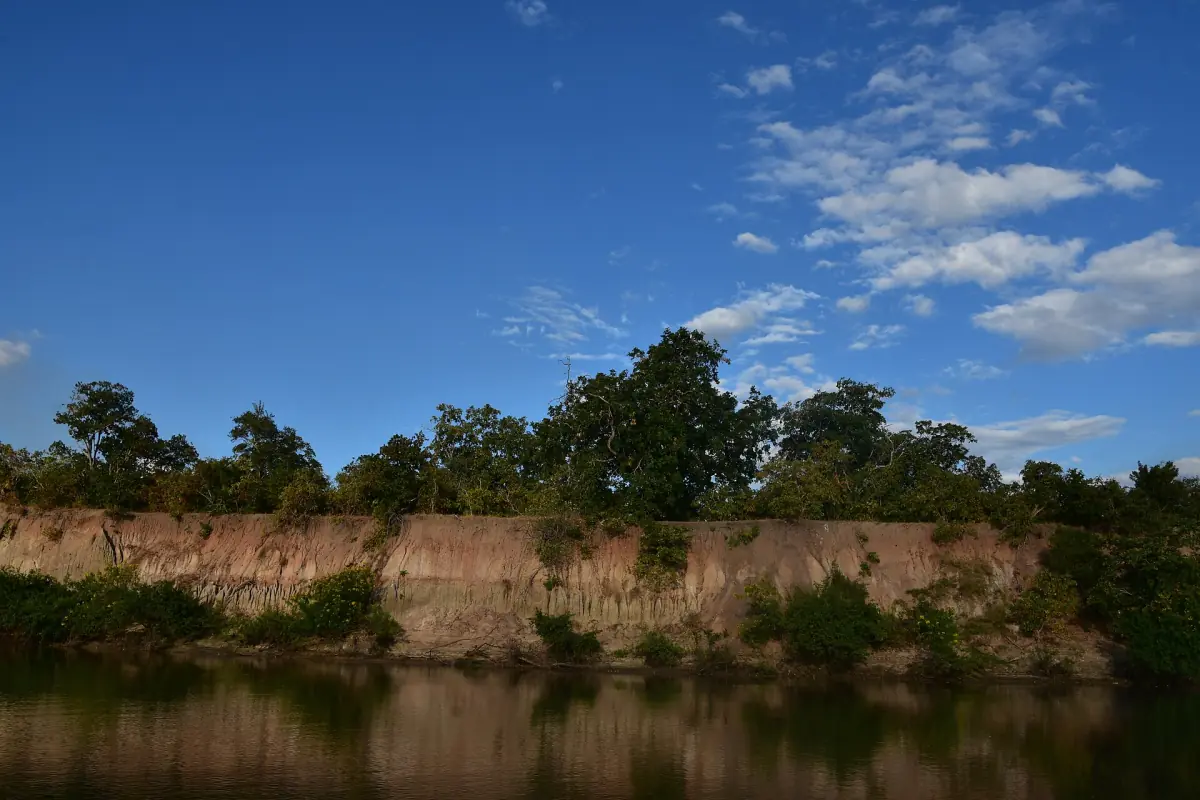
Julius Nyerere Hydropower Station at a glance
The Julius Nyerere Hydropower Station is a large hydropower plant on the Rufiji River at Stiegler's Gorge. It has nine generating units of 235 MW each, which adds up to an installed capacity of 2,115 MW. Installed capacity is the maximum the plant is built for, not the power it produces at any given moment.
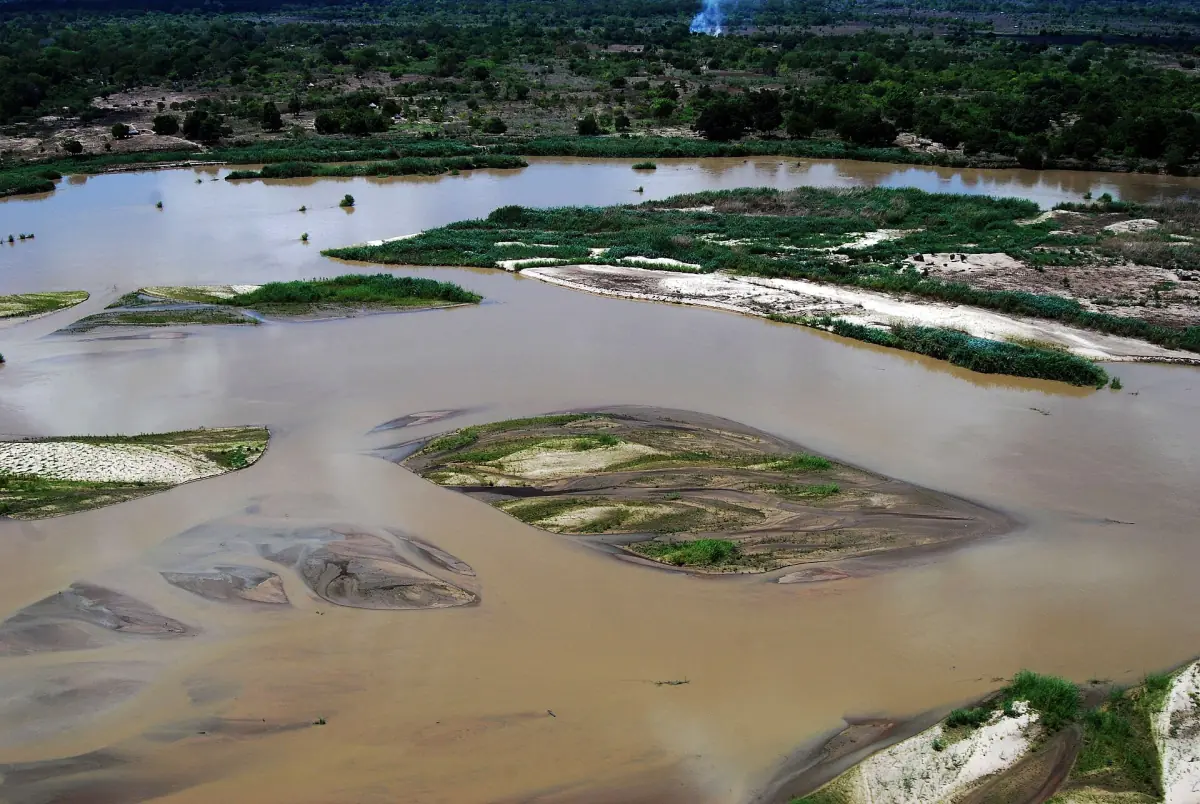
The river it uses is the same one you travel on during a Rufiji boat safari in the national park.

Stiegler's Gorge: from construction to operation
Four separate steps, not one completion date.
| Step | Date | What it means |
|---|---|---|
| Construction starts | 15 June 2019 | Start of work on the dam and power station |
| Handover to TANESCO | 31 March 2025 | The power company takes over the plant. Testing all units at full load at the same time was still outstanding at that point |
| All nine turbines activated | April 2025 | All nine units are in operation |
| Official inauguration | 22 August 2026 | A ceremony, which is not the same as the first power generation |
The plant has been running since 2025, and the official inauguration followed in 2026.
Nyerere safaris and boat trips
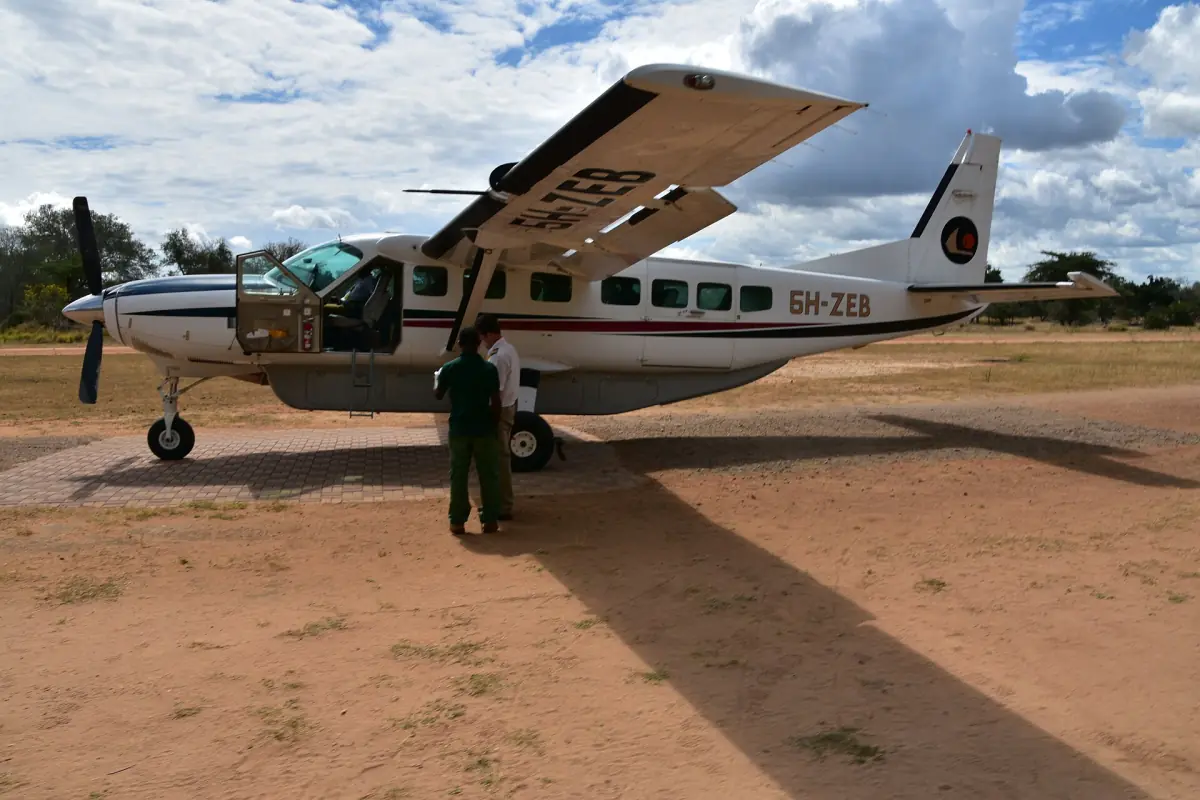
Game drives, boat trips and fly-in safaris to Nyerere National Park, with live prices and availability.
UNESCO concerns and the Selous World Heritage Site
The position of the World Heritage Committee.
2026 decision
The committee points to cumulative and irreversible effects of large infrastructure on the outstanding universal value of the Selous Game Reserve. It notes the lack of an adequate environmental and social impact assessment and asks for a review of the mitigation measures and for monitoring.
Floods
In 2025 the committee raised flood effects after water releases and asked for more information. Water levels change, so ask your operator about the river on your dates.
World Heritage status
After its 2026 session the Selous remains on the List of World Heritage in Danger. The status has not been withdrawn. The site keeps the Selous name, while Nyerere National Park was separated from it in 2019. See the Selous World Heritage Site.
Wildlife
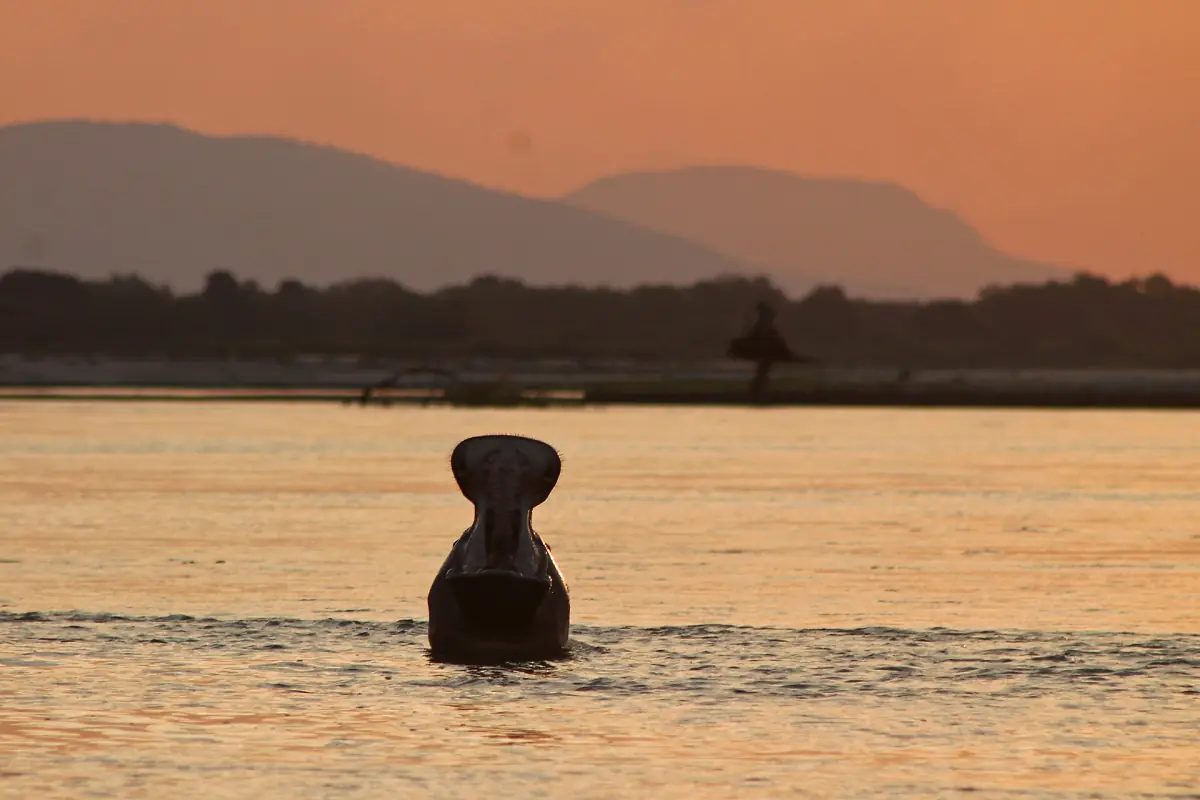
The committee asks for monitoring of the effects on wildlife and habitats. For the animals of the park, see Nyerere wildlife.
Can you visit the dam?
Do not plan the power station as a stop on your itinerary. A viewing may or may not be possible, so ask your operator before you count on one. What you can do is travel the river itself, on a boat safari, and read the landscape from there.
The name Julius Nyerere
The station and the national park carry the name of Julius Nyerere, the first president of Tanzania. He was born in 1922 and died in 1999. A printed kanga cloth in the colours of the Tanzanian flag, shown here, honours him. The history page explains the 2019 renaming of the park.

Reading the numbers
Three figures that are often mixed up.
Installed capacity
2,115 MW is the combined rating of the nine units. The power actually produced at any moment is lower and depends on the water and on demand.
Reservoir capacity
32.78 billion m³ is the design capacity of the reservoir. It is not a measured level on any given day.
Milestones
Construction start, handover, turbine activation and inauguration are four different events. A news item that says the dam opened may refer to any of them.
Neighbouring page
The river and its lakes in the national park are covered on the Rufiji River page.
More about Nyerere
The river, the park and the trip.
Julius Nyerere Hydropower Station: frequently asked questions
How much power does the Julius Nyerere Hydropower Station produce?
Its installed capacity is 2,115 MW from nine units of 235 MW. That is the design figure, not the output at any one moment.
Is Stiegler's Gorge the same as the Julius Nyerere dam?
Yes. Stiegler's Gorge is the site on the Rufiji where the Julius Nyerere Hydropower Station stands.
When did the plant open?
All nine turbines were activated in April 2025, and the official inauguration took place on 22 August 2026.
Why is UNESCO concerned?
The World Heritage Committee points to cumulative and irreversible effects of large infrastructure on the Selous site and to a missing adequate impact assessment. It asks for review and monitoring.
Can tourists visit the power station?
Do not plan on it. Ask your operator whether a viewing is possible.
How big is the reservoir?
Its design storage capacity is 32.78 billion m³. That is a capacity figure, not the current water level.